What a Knitwear Order Actually Costs: Reading a Quote Properly
Two factories quote the same style forty per cent apart and both are telling the truth. A quote is a set of decisions, not a number — here is the cost structure behind it and which line to question when the gap looks impossible.
For buyers comparing quotes on a knitwear programme. This article explains cost structure. It deliberately does not quote prices, because a per-piece figure without a specification is not information.
A buyer sends the same tech pack to four factories and gets four prices spanning a wide range. The instinct is to assume the highest is gouging and the lowest is the real market. Neither conclusion is reliable. Most of the time all four quotes are arithmetically correct, and the gap lives in six decisions that were made differently without anybody saying so.
Knowing the six lines is what turns a price into a comparison. It is also what stops the cheapest quote from becoming the most expensive order.
Line One: Yarn
Yarn is usually the largest single line and the one most sensitive to the fibre decision. It is also where quotes diverge first, because a specification that says a soft wool blend does not fix composition, count or spin — and the difference between a standard acrylic and a merino-cashmere blend is larger than the difference between two factories' labour rates.
Inside the yarn line sit two sub-questions worth asking directly. First, is the quoted consumption based on the actual pattern or on a rule of thumb? A wide-leg trouser, an oversized body or a large motif consumes materially more yarn than a fitted piece, and a quote built on an average will be corrected later. Second, is a waste allowance included, and at what rate? Yarn waste is real and it has to live somewhere in the price; a quote without it is a quote that will be revisited.
Line Two: Machine Time
Knitting time is charged per machine hour, and gauge changes it in ways buyers do not intuitively expect. A fine-gauge machine knits more slowly per course but uses less yarn; a chunky machine knits faster and eats yarn. The two effects partly offset, so a 5GG and a 12GG version of the same silhouette often land closer in cost than expected.
What does move machine time sharply is complexity within the same gauge. A multi-colour jacquard runs slower than a plain body at the same gauge because colour changes, transfers and float control cost time per course. This is why colour count is a cost line even when the yarn itself is cheap.
Line Three: Linking and Handwork
Panels are joined by linking — a stitch-by-stitch operation that is done by hand on a linking machine. It is skilled work and it is priced per piece. Fully fashioned garments, where the panel edges are shaped so they link cleanly, look better and cost more, because the shaping happens on the knitting machine instead of being cut away afterwards.
- Plain linking: the baseline, priced per seam.
- Intarsia: extra handwork at every colour boundary, on top of linking.
- Hand-applied trims: pom-poms, tassels, hand-sewn labels, buttons with visible stitching.
- Embroidery: priced on stitch count and position, and a full-back panel is an order of magnitude more than a left-chest mark.
This is the line that most often explains a large gap between two otherwise similar quotes. One factory is linking; the other is overlocking. Both produce a garment that holds together. They do not produce the same garment.
Line Four: Washing and Blocking
Every knitted garment is washed and blocked to set its finished size, and this is priced per piece whether it is done in-house or sent out. When it is sent out, the cost carries the finishing house's margin and queue, and the factory's schedule becomes dependent on somebody else's batch plan.
It is worth asking where this happens, not only what it costs. A quote that assumes external washing is a quote with a schedule risk embedded in it, and the risk materialises in October.
Line Five: Trims and Packaging
Main labels, care labels, hangtags, buttons, zips, woven tape, polybags, carton marks. Individually small, collectively not. Two quotes can differ here purely because one assumed standard stock labels and the other costed custom woven labels with your artwork.
Ask for the trims list to be itemised. It is the easiest line to adjust without touching the garment, and it is the line most often left vague in a first quote.
Line Six: Sampling Amortisation
Development is not free, and a quote has to recover it somewhere. On a large run the sampling cost per piece is trivial. On a small run it can be one of the largest single components, because programming, swatching and PPS all happen once regardless of quantity.
This is why a hundred-piece order and a thousand-piece order of the same style are not ten times apart in total cost. The fixed block — programme, setup, swatch, sample — does not scale. A quote that appears to scale perfectly linearly is either absorbing development cost invisibly or has not costed it at all.
Why the Cheapest Quote Is Often the Most Expensive Order
The gap between quotes has to come from one of the six lines. It is worth identifying which, because some of the answers are acceptable and some are not:
- A different fibre at the same stated description. Acceptable only if you agreed to it. Not acceptable if it was not disclosed.
- Overlocking instead of linking. Faster, cheaper, and visible at the seam allowance on the inside.
- No in-house washing. Shifts cost to an external queue and often moves the size risk onto you.
- Stock trims instead of specified trims. Cheap to fix before production, impossible after.
- Development cost not included. It reappears as a sampling invoice.
- A quantity assumption different from yours. The price is real, for a different order size.
FOB, DDP and What the Quote Actually Covers
A price is meaningless without knowing where the goods stop being the factory's responsibility. FOB means the cost ends when the goods are loaded at the port of departure; freight, insurance, duty and destination charges sit outside it. DDP means the price carries everything to your door. A DDP quote will always look higher than an FOB quote for the same garment, and comparing them directly is comparing two different products.
When comparing quotes, normalise to one term first. Then compare the six lines. Then decide.
Frequently Asked
Why is the unit price higher on a small order?
Because the fixed block — programming, machine setup, swatch, sample, finishing changeover — is the same whether you make a hundred pieces or a thousand, and it has to be spread across the quantity. The variable costs per piece barely change.
Can you quote FOB as well as DDP?
Yes, and it is worth asking for both on the same specification. FOB lets you compare manufacturing cost directly across factories; DDP tells you the number you actually have to plan cash around. Comparing factories on DDP alone mixes in freight rates that have nothing to do with the factory.
Is the sampling fee deducted from the bulk order?
It varies by factory and by order size, and it is a fair question to ask explicitly rather than assume. What matters more is what the fee covers: programming, yarn, machine time and a physical sample are all real costs, and a suspiciously cheap sampling fee usually means the programming is being charged later.
If you have two quotes that do not reconcile, send both specifications to us and we will tell you which line the difference is sitting in. That answer is usually free and always faster than a second sampling round.
Looking to manufacture Christmas jumpers at scale?
Skip the print-on-demand platforms. Send us your design brief and we'll quote a direct-factory run with low MOQs, 72h sampling, and DDP worldwide delivery.
Knitwear you can manufacture right now
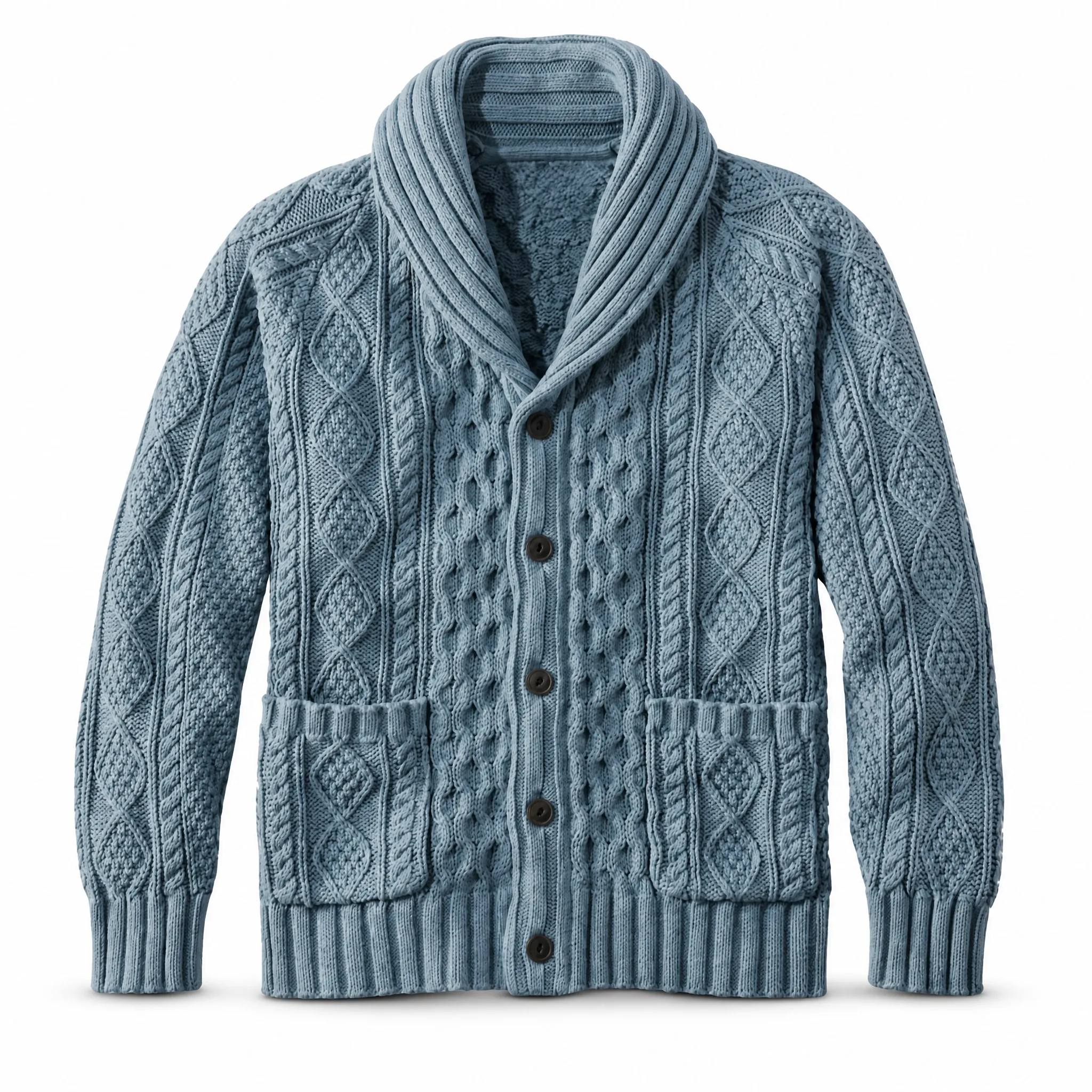
Custom Shawl Collar Cable Knit Cardigan
Chunky cable-and-diamond cardigan with a fully fashioned shawl collar — knitted as structure, never cut and sewn.
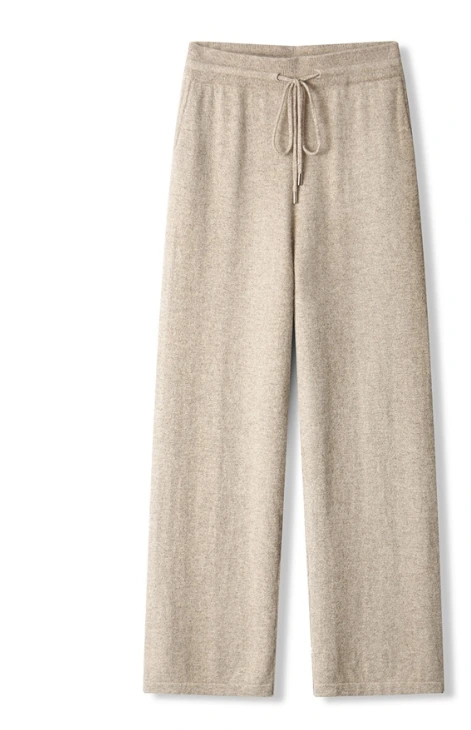
Custom 100% Cashmere Wide-Leg Knit Pants
Two-ply Inner Mongolian cashmere at 12GG — the drape of the fibre is the whole product, so the knitting has to stay out of its way.
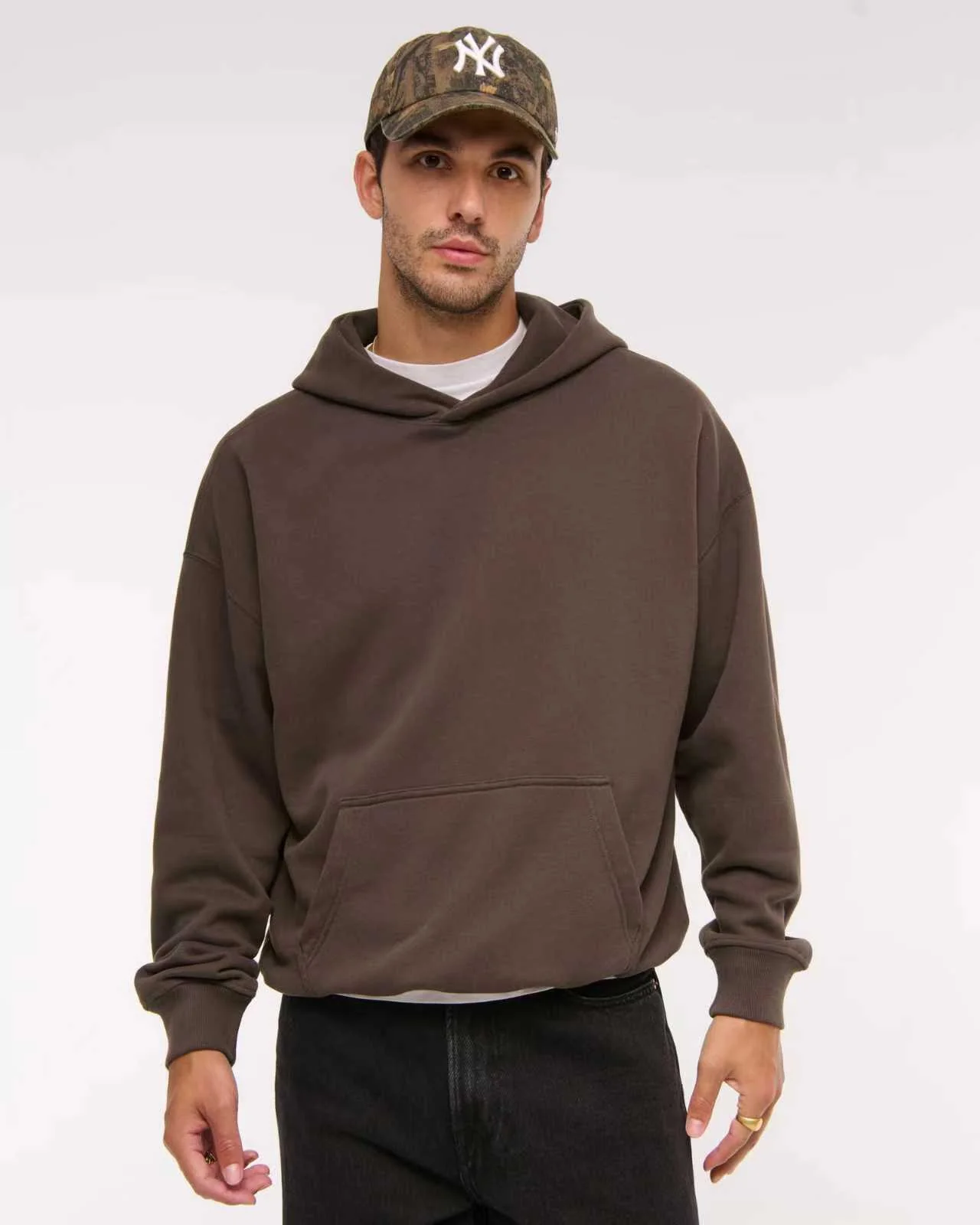
Heavyweight Knitted Fleece Hoodie
Plush brushed fleece hoodie with reinforced double-layer hood and custom embroidery.
Techniques behind this product
Keep reading
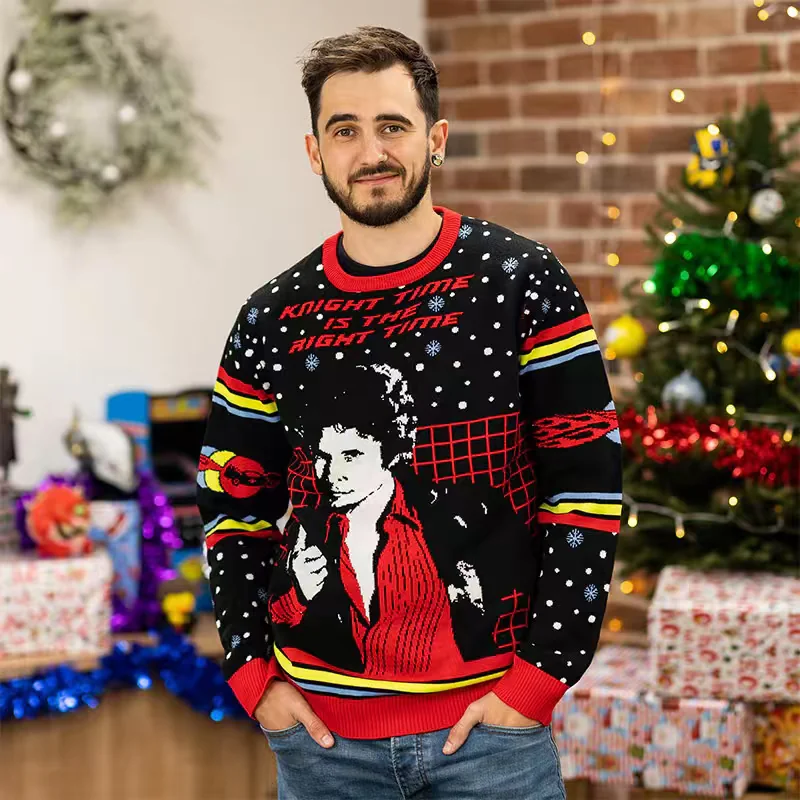
It's Time to Custom-Own Your Christmas Jumper
A short consumer-oriented overview of the custom Christmas jumper trend — design ideas, group-event tips, and the festive looks defining this year's holiday season.
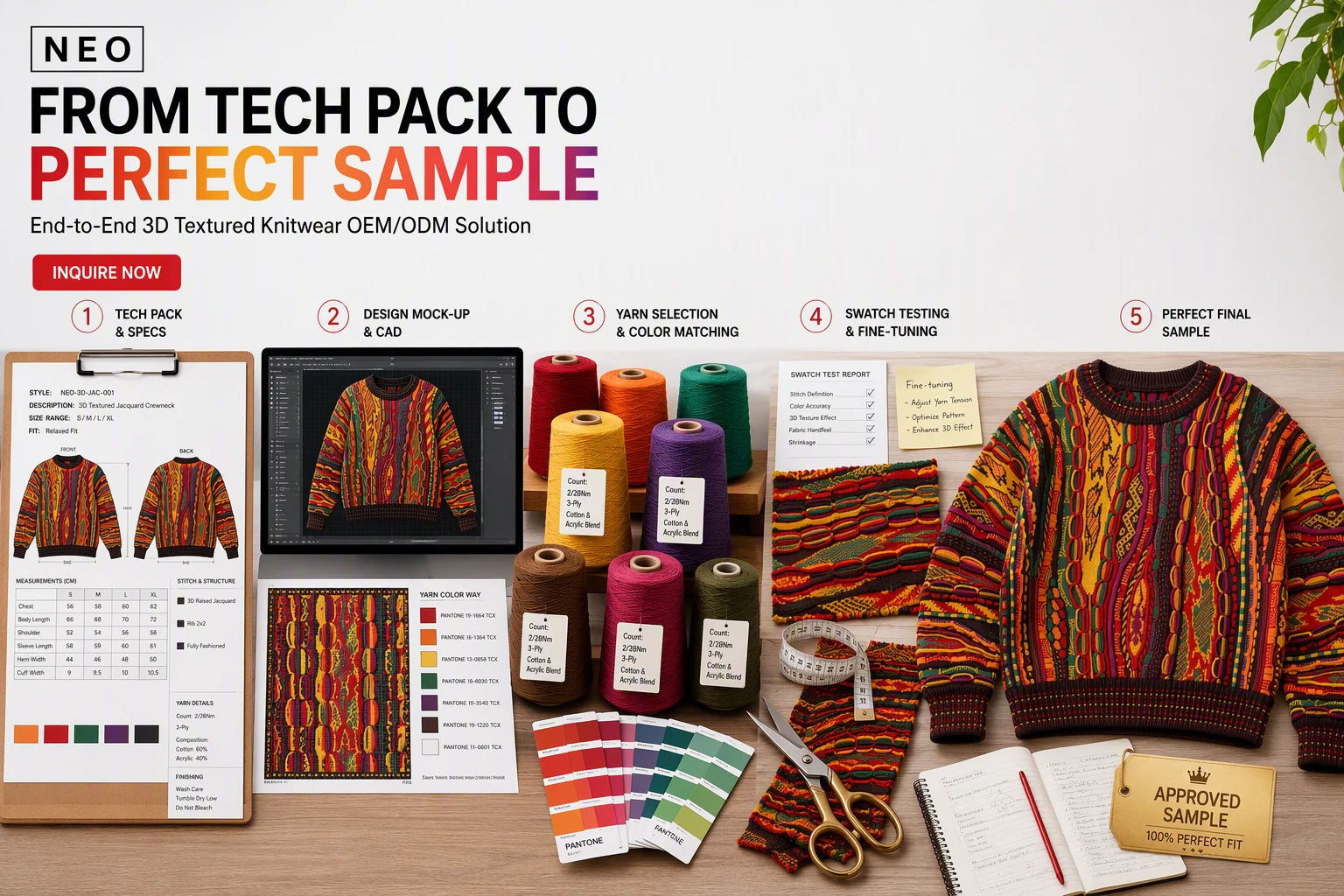
From Tech Pack to Perfect Sample: How Knitwear Sampling Actually Works
A floor-level walkthrough of the five stages between your tech pack and an approvable knit sample — mock-up and CAD programming, yarn colour matching, swatch testing, and the final PPS.
Sourcing Custom Men's Knitwear: What Separates a Knitwear Factory from a Sweater Mill
Mens knitwear briefs rarely fail on the design. They fail on gauge, size grading and reverse-side finishing — three things most price requests never ask about. Here is what to specify before you ask for a quote.
Send us the piece you were told was too hard.
Reference photo, rough sketch, or full tech pack — our Dalang technical punchers evaluate feasibility, machine gauge, yarn options, and pricing within 24 hours.