Dalang Factory Floor Running
NeoGarment — For All Your Fashion
Technical Capabilities

How We Knit: 11 Specialized Craft Techniques

These are the structures we are built for — not merely a theoretical catalog, but live production lines running daily in Dalang. Starred techniques represent our core technical barriers where we beat standard mills outright.

Core Technical Barrier Techniques ⭐

Techniques that standard trading agents and basic mills decline due to programming complexity

Multi-Colour Jacquard
Core Barrier

Up to 13 colours in one piece — standard mills stop at 4 to 6.

Why standard mills decline: Most factories top out at 4–6 colours per design because more colours require extra yarn carriers, extensive machine programming, and strict tension control to prevent back-float snagging. Our in-house programmers handle 13-colour artwork on daily production runs.
11 linked productsExplore Technique
Bitter-Gourd Relief Stitch
Core Barrier

Raised 3D textured relief, clean on both face and reverse.
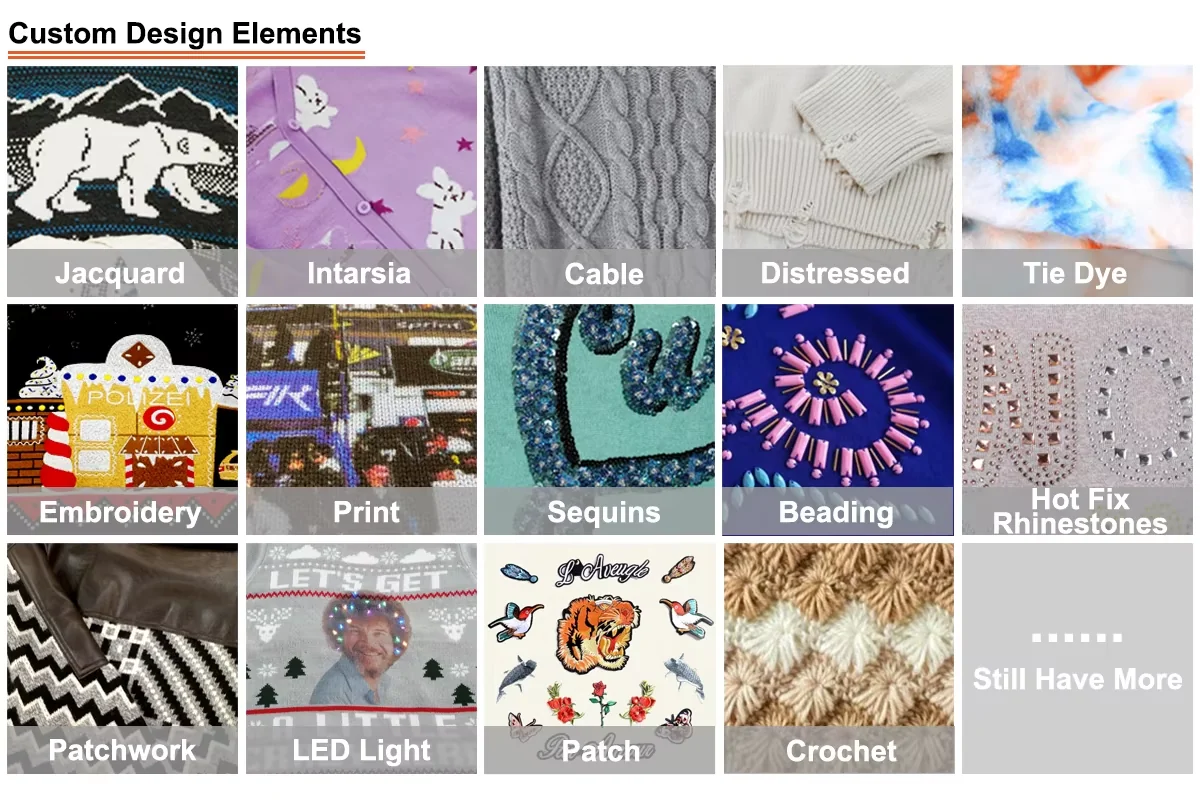
Why standard mills decline: This 3D structure requires high-precision computer flat-knit machines (Shima Seiki / Stoll) plus senior punchers who understand stitch elongation. General mills lack the programming capability and decline these inquiries.
5 linked productsExplore Technique
High-Density Embroidery
Core Barrier

Dense 3D embroidery engineered not to pucker on stretch knits.

Why standard mills decline: Embroidery on elastic knitwear normally pulls, wrinkles, and deforms when washed. We use specialized water-soluble stabilizers and tension calibration so embroidery stays flat forever.
3 linked productsExplore Technique

All Specialized Knitting Techniques

Intarsia

Solid colour blocks knitted side-by-side with zero back floats.

Why standard mills decline: Intarsia eliminates messy floats behind the knit, leaving the interior clean and lightweight. It requires meticulous yarn feeder management and slow machine speeds to avoid hole formation at color boundaries.
3 linked productsExplore Technique
Fair Isle
🏔️

Fair Isle

Classic heritage horizontal Nordic pattern bands.
Why standard mills decline: Fine pattern repeats demand ultra-consistent tension across the entire needle bed width to prevent the banding from warping or pulling tight.
5 linked productsExplore Technique
Cable & Aran

Sculpted cable braids and diamond honeycomb textures.
Why standard mills decline: Deep cables require heavier gauge machines, precise needle transfer timing, and controlled yarn elasticity to hold the dimensional twist without flattening after washing.
5 linked productsExplore Technique
Rib Knit

Elastic ribbed construction with superior stretch recovery.

Why standard mills decline: Rib knits must maintain elasticity and snap back over repeated wear and laundering. Needle bed tension tuning is the crucial factor that prevents sagging cuffs.
10 linked productsExplore Technique
Fine Gauge

Ultra-smooth, lightweight 14GG–16GG luxury knitwear.
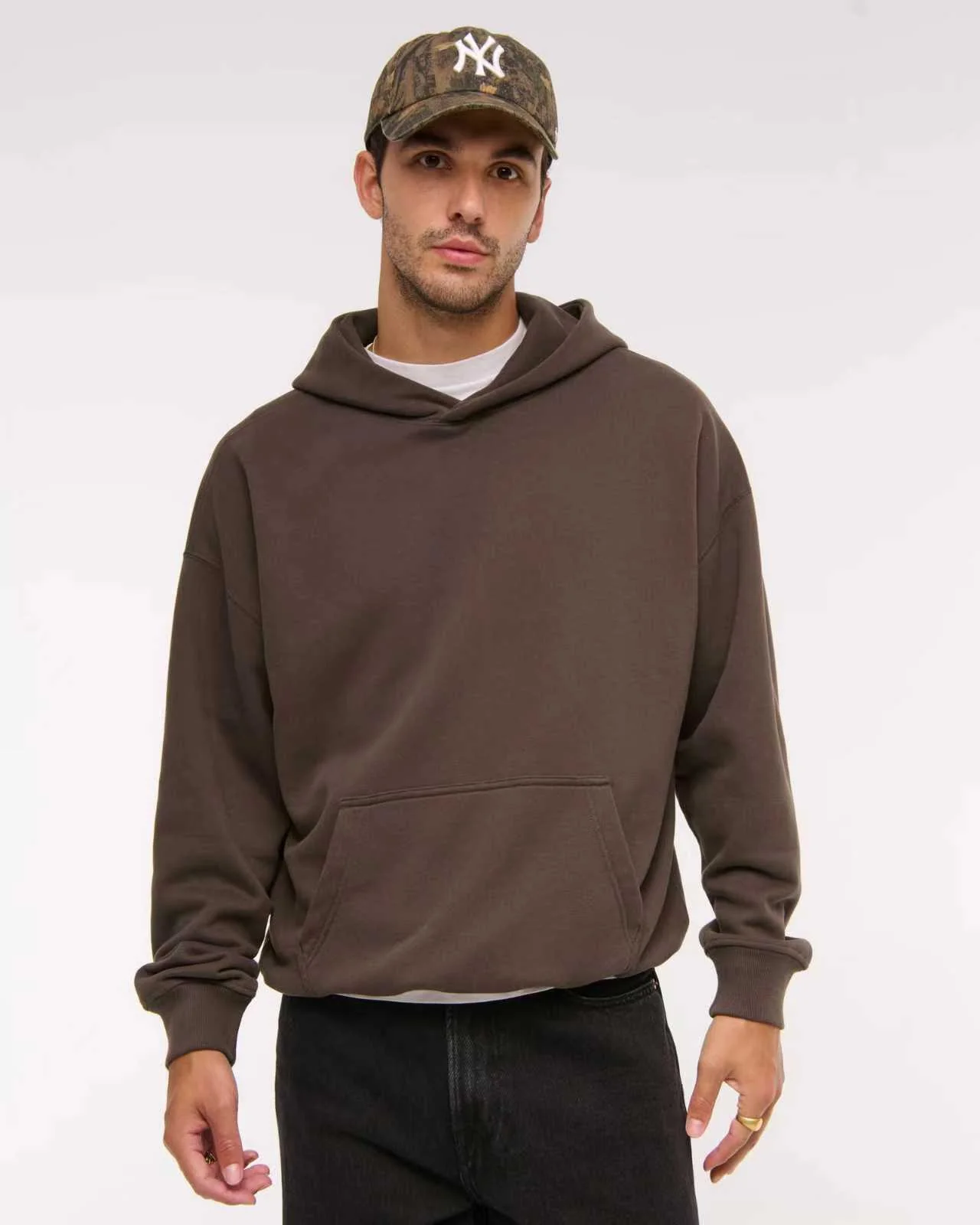
Why standard mills decline: Fine gauge leaves zero margin for error. Any minor yarn flaw or tension variation is immediately visible on the sheer surface.
4 linked productsExplore Technique
Brushed Fleece

Fluffy, cloud-soft brushed interior for maximum warmth.
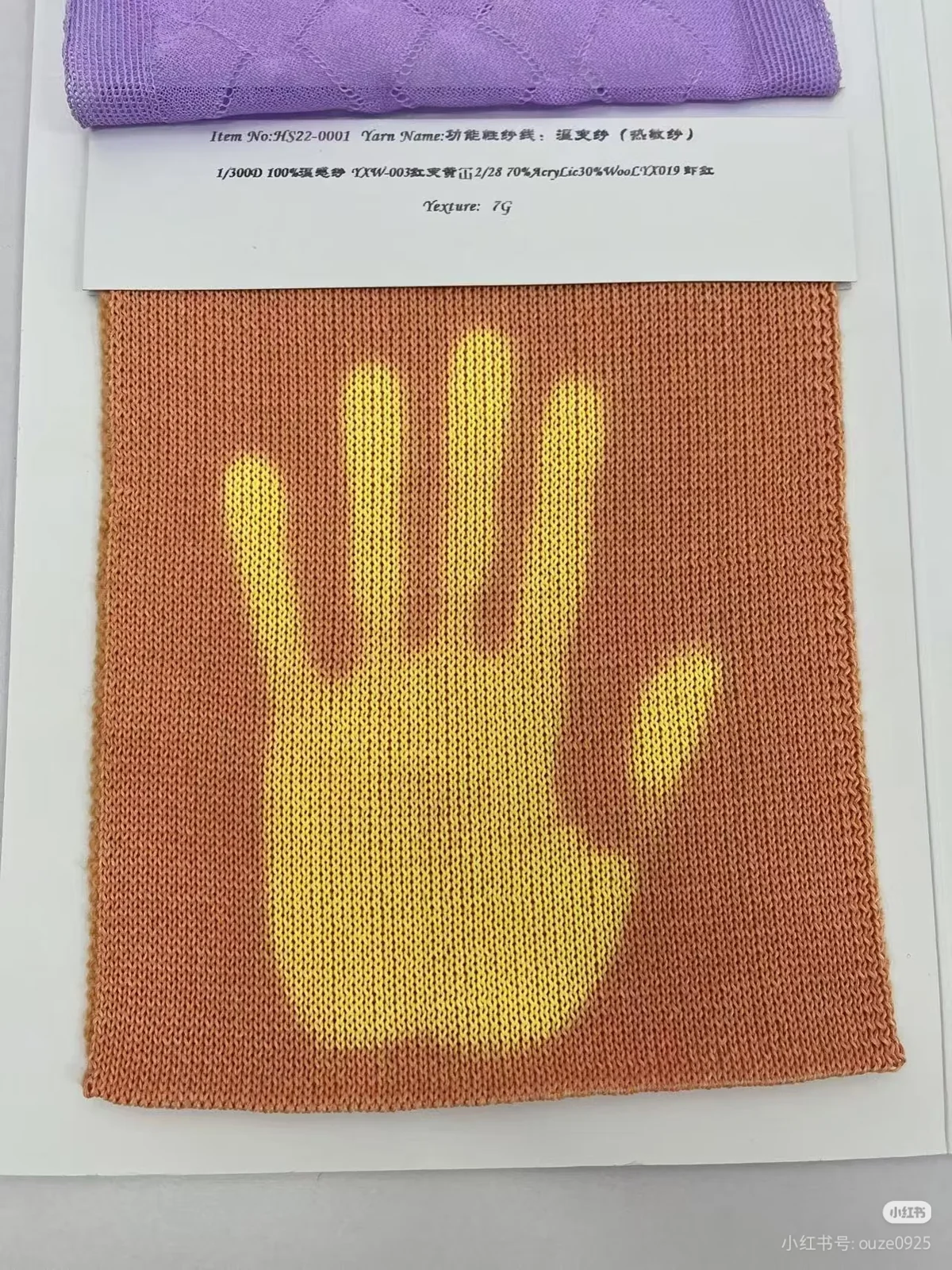
Why standard mills decline: Brushing depth must be calibrated precisely for each yarn blend to avoid fiber breakage and prevent surface pilling after home wash cycles.
2 linked productsExplore Technique
Thermo-Chromatic Yarn

Innovative reactive yarn that shifts hue with body temperature.
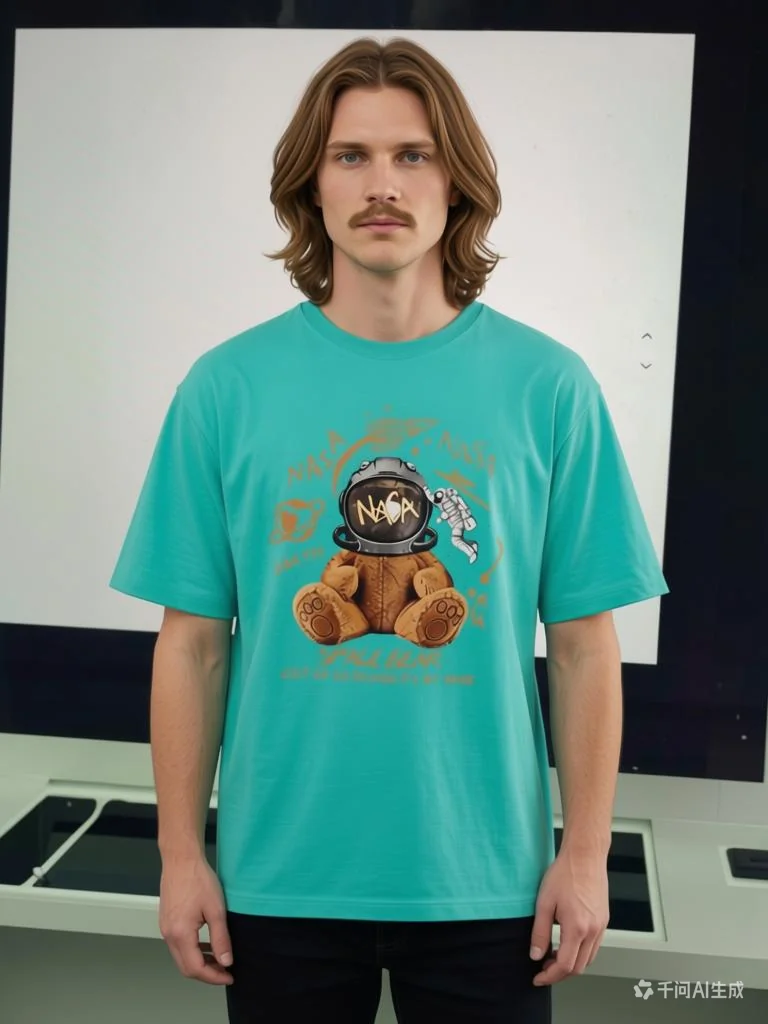
Why standard mills decline: Specialty functional yarn requires temperature-controlled knitting friction and batch pre-testing to calibrate the exact color change threshold (e.g. 28°C / 31°C).
1 linked productsExplore Technique
Crochet & Openwork

Artisanal hand-crocheted openwork and textured trim.

Why standard mills decline: Hand crochet requires skilled manual artisans with strict piece-to-piece tension consistency, making batch production management critical.
1 linked productsExplore Technique
Direct Engineering

Have a complex knit structure you were told is impossible?

Send your sketch or artwork over. Our Dalang CAD punchers will test loop transfers on our flat machines and give you an honest answer on feasibility, needle gauge, and price within 24 hours.

72-Hour Rapid Sampling Available

Send us the piece you were told was too hard.

Reference photo, rough sketch, or full tech pack — our Dalang technical punchers evaluate feasibility, machine gauge, yarn options, and pricing within 24 hours.

MOQ 100 pcs/design
Direct Dalang Factory
AQL 2.5 Inspection
DDP Worldwide Delivery