
Knitwear Sourcing Risk: Lessons from Bangladesh's Protests
Wage protests closed hundreds of Bangladeshi garment factories this week. A sourcing-risk checklist for knitwear buyers planning Q4 and Q1 orders.
Written on 3 November 2026, while the news is still moving: workers across Bangladesh's garment belt — Gazipur, Ashulia, Mirpur — are demonstrating for the minimum wage to rise from roughly 13,000 taka a month to 30,000, and news agencies report around 500 factories shut at least temporarily, with a wage board formed on 1 November. This post is not about taking sides; the wage demand sits on top of 8.34% September inflation, which is a real cost-of-living story. It is about what a producing region in disruption means for a buyer with a season to deliver.
Bangladesh is the world's second-largest apparel exporter after China — a roughly 39-billion-dollar export machine that garments most of the high street. When a region that size hiccups, the effect does not stay local: orders already in the pipeline slip, and every buyer with a Q4 delivery or a Q1 development calendar has to ask the same uncomfortable question — not "is this region good?", but "how exposed is my programme to any single region?" That question is worth answering well before the next disruption, wherever it happens.
What a Disruption Actually Costs a Buyer
A factory closure is not just delay; it is four separate costs arriving at once. Capacity: your slots were booked against a schedule that no longer exists, and when production restarts, the queue restarts behind it. Penalty clauses: late delivery against a retailer contract is rarely forgiven on the grounds that a highway was blocked. Deposits: money paid against a promised ship date is now funding a factory that cannot ship. And repricing: a doubling of the minimum wage does not stay a worker story — it flows into every future quotation from that region, which means quotes you are holding today have a shorter shelf life than you think.
Four Checks Before You Commit a Season Anywhere
- Peak-season disruption history — every producing region has one. The question is not whether disruption ever happens, but whether the factory you are talking to kept its own production running last time, and what it did for clients whose dates were at risk.
- Single-region dependency — if your whole knitwear programme sits in one industrial belt, one event owns your season. Diversification is not about leaving a region; it is about never being hostage to one.
- Quote shelf life — wage movements, energy costs and freight all reprice quotations. Before you sit on a quote for eight weeks, ask how long the numbers are held.
- Written exit and delay terms — what happens to your deposit and your tooling if the schedule slips by a month. Factories that answer this in writing are, in our experience, the ones that rarely need the clause.
Where China Wins — Stated Honestly
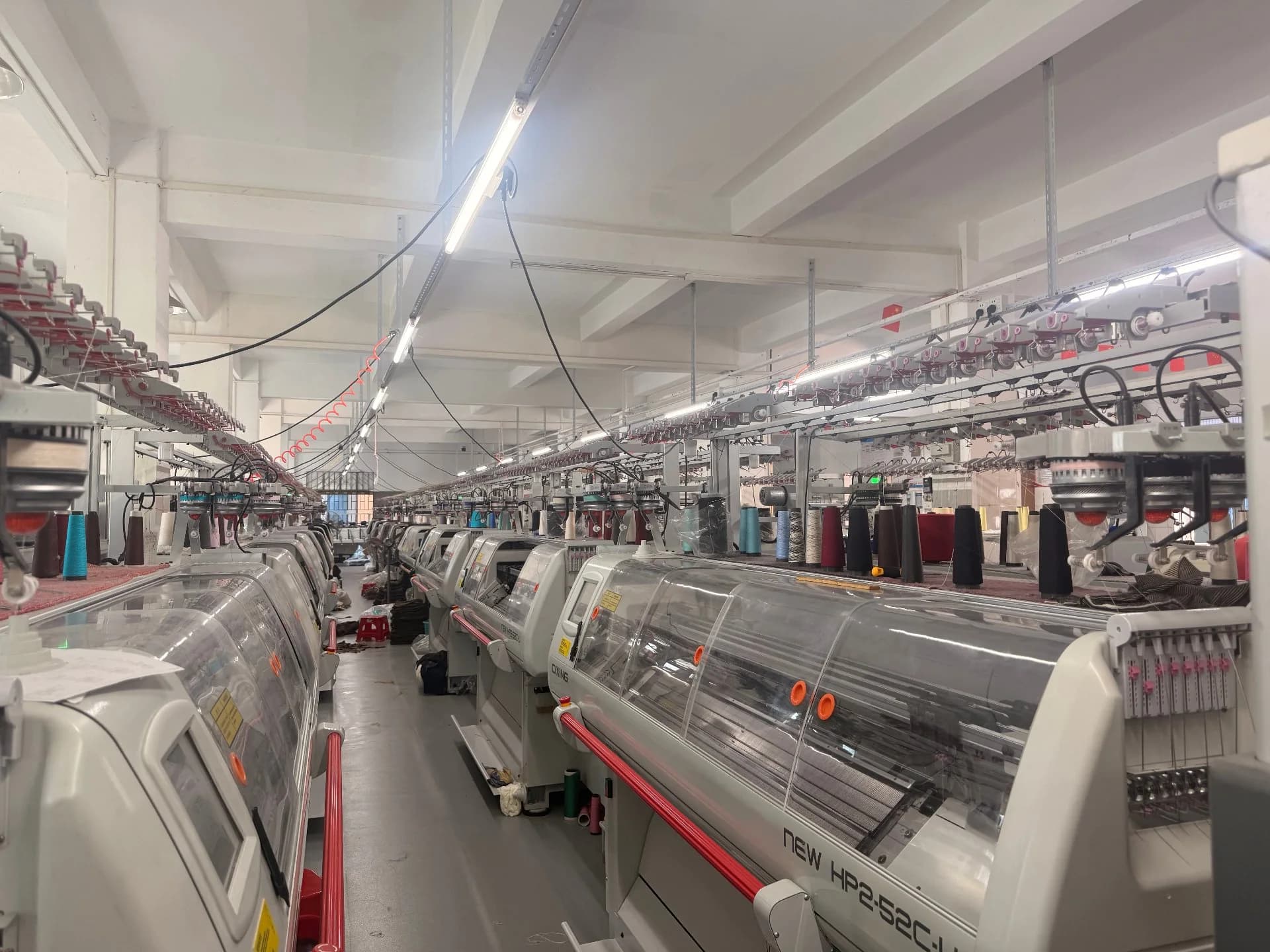
Honesty first: for high-volume basics at the lowest possible landed cost, Bangladesh remains formidable, and we will not pretend otherwise — a container of plain crew necks usually belongs there. What China's knitwear base offers is a different shape of capability. Complex jacquard — thirteen-colour programming, engineered 3D textures, colour-per-row structures that survive a detail shot — runs on a machine base and a programming culture built over decades. Low MOQs — 100 pieces per design — exist because the machines are reprogrammable and the linking rooms are hand-skilled, not because the economics are soft. And the servicing layer that e-commerce buyers now expect — DDP delivery to FBA centres, FNSKU labelling, poly-bag compliance — is a workflow, not an improvisation.
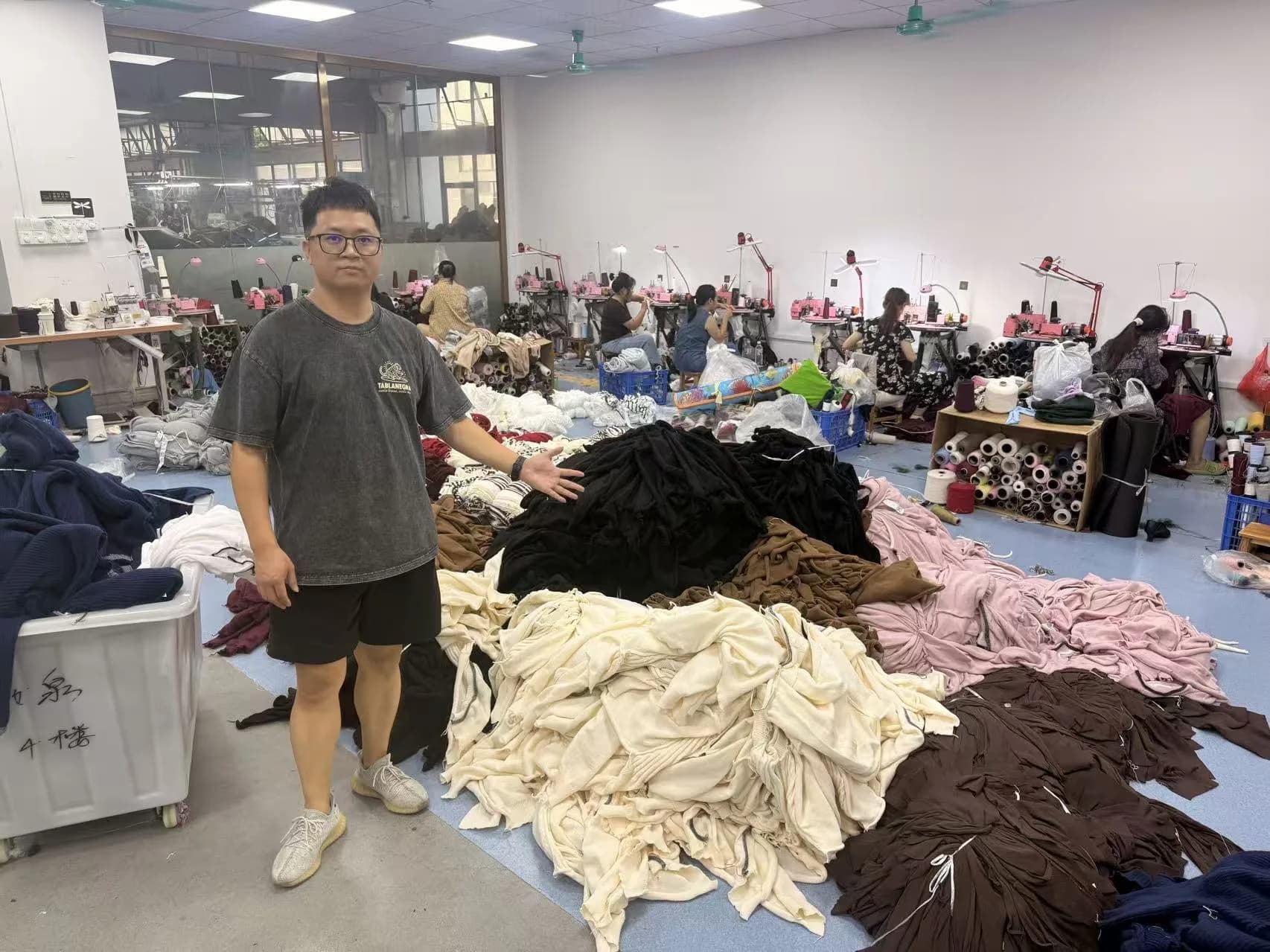
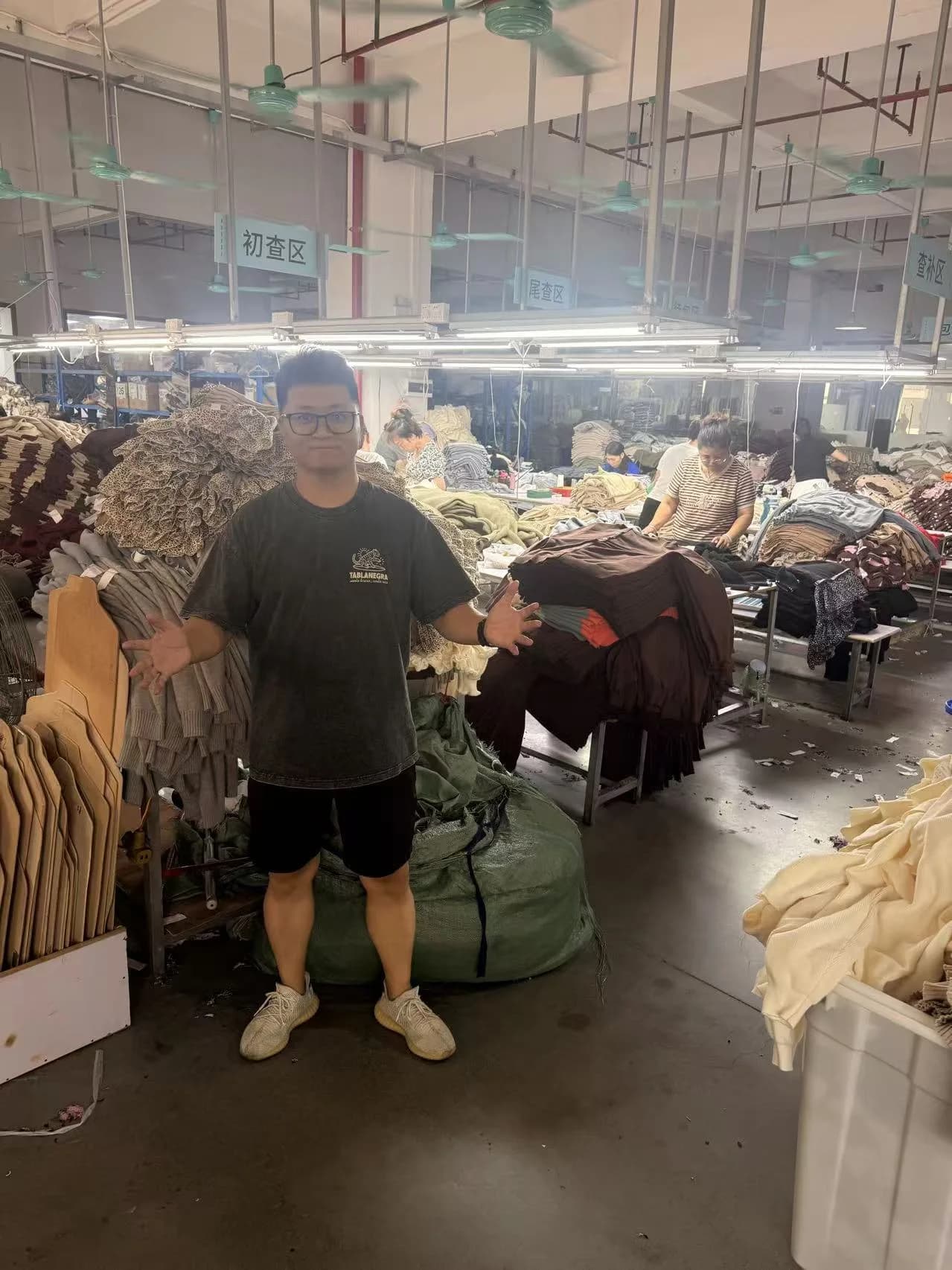
Stability, in the end, is the sum of boring things: machines that are actually running, a linking and finishing floor that does not back up, and an inspection process that records what it rejects rather than shipping it and hoping. Buyers rarely get to see those rooms before committing. They should ask about them — in any country.
The Calendar Compounds
For buyers reading this in November, the arithmetic is uncomfortable whatever you decide: Chinese New Year pauses most of China's knitwear belt for several weeks around late February, and any region in labour negotiation adds its own uncertainty on top. A Q1 delivery that depends on a single slot in a single region is carrying more risk than the quotation admits. Splitting the programme — or at minimum, confirming capacity in writing before the shutdown — is the difference between a season that lands and a season that apologises.
If you are re-splitting your sourcing this quarter, send us the tech pack and the quantities. We will tell you honestly which pieces belong on our floor and which do not — sampling runs in 72 hours from artwork confirmation, MOQ is 100 pieces per design, and the machine hall above is running.
Looking to manufacture this style at scale?
Send us your design brief and we'll quote a direct-factory run with low MOQs, 72h sampling and DDP worldwide delivery, knitted on our own floor in Dalang.
Knitwear you can manufacture right now
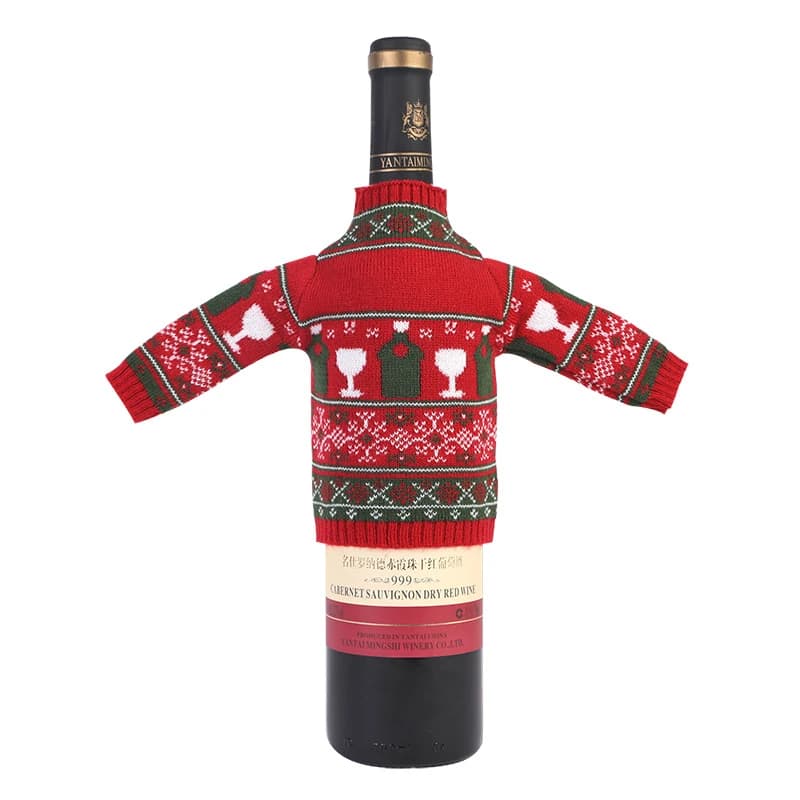
Custom Knitted Wine Bottle Sweater with Sleeves
A bottle cover shaped like an actual jumper — two empty sleeves, a cone-fitted shoulder yoke and jacquard bands that run unbroken from body to cuff.
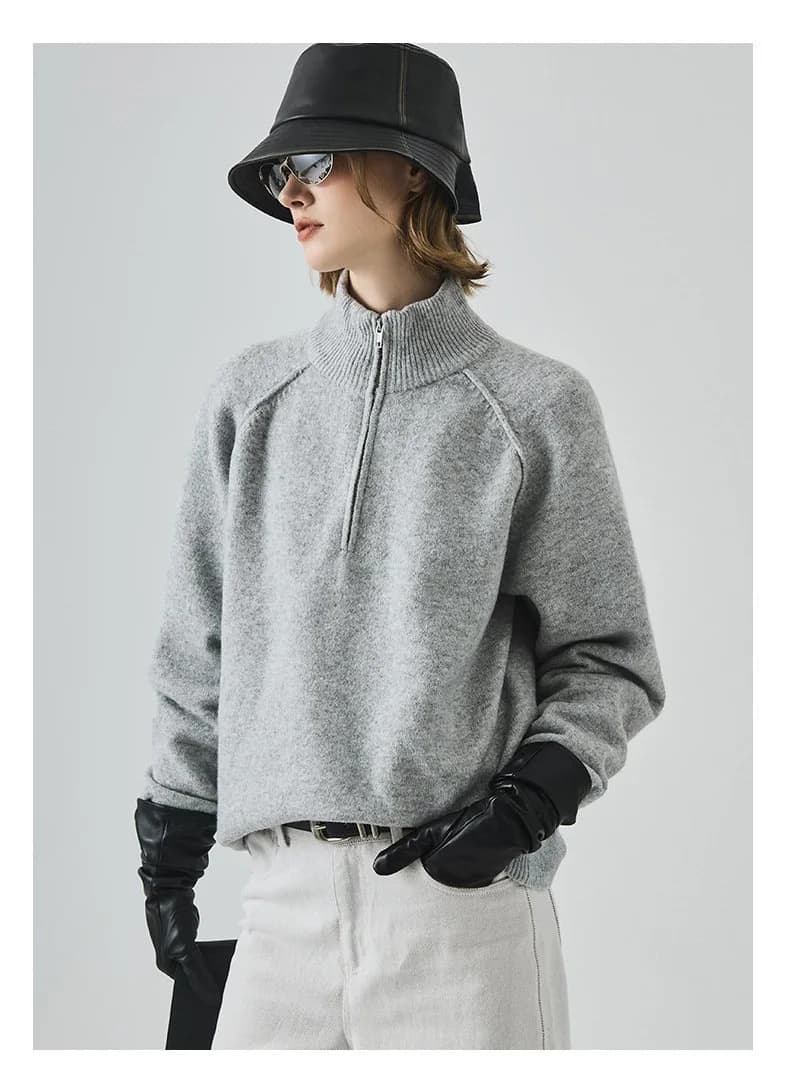
Custom Women's Half-Zip Raglan Sweater
A half-zip stand collar that stays upright, a true raglan shoulder that layers clean, and a heathered melange jersey that reads quiet luxury.
Keep reading

It's Time to Custom-Own Your Christmas Jumper
A short consumer-oriented overview of the custom Christmas jumper trend — design ideas, group-event tips, and the festive looks defining this year's holiday season.
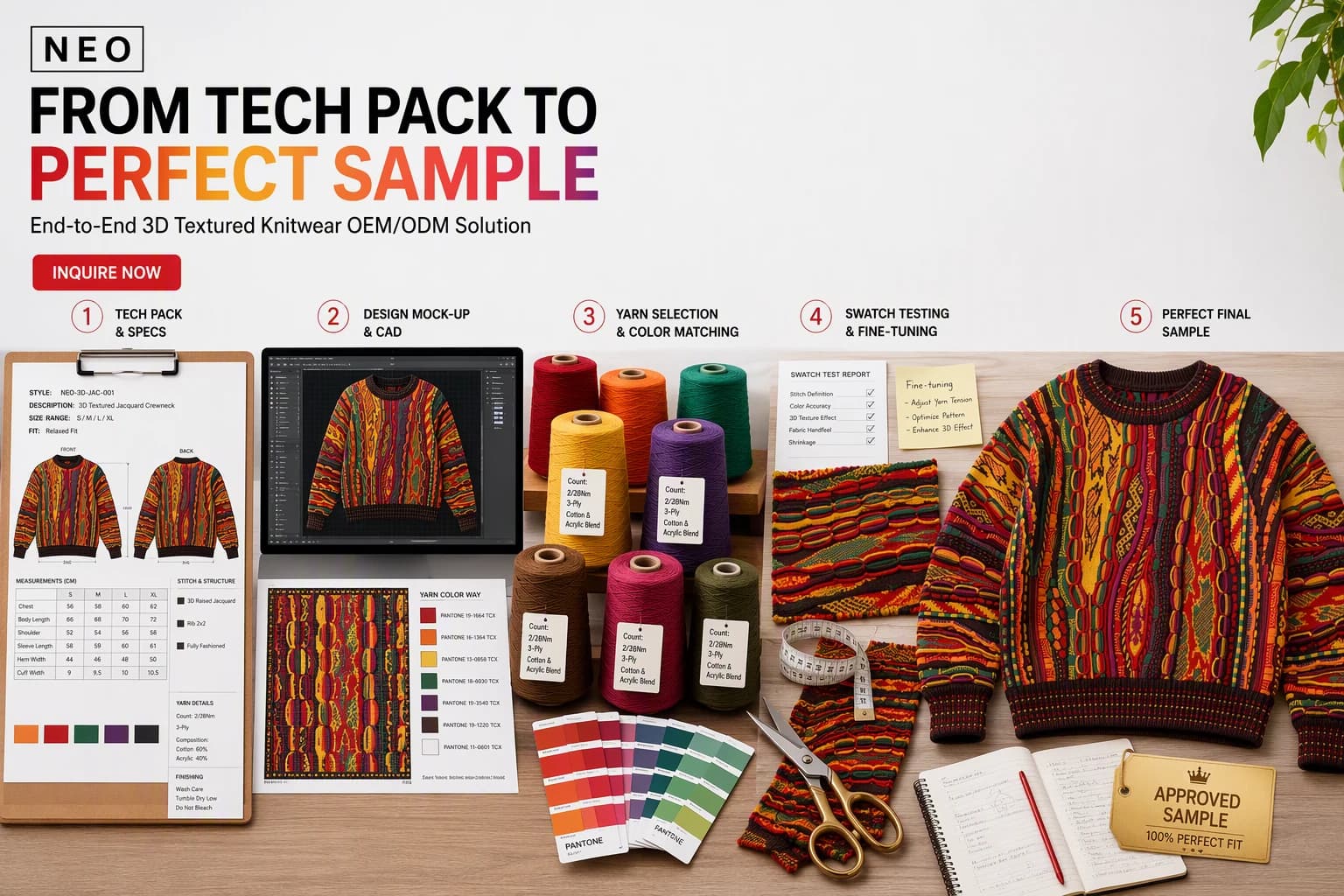
From Tech Pack to Perfect Sample: How Knitwear Sampling Actually Works
A floor-level walkthrough of the five stages between your tech pack and an approvable knit sample — mock-up and CAD programming, yarn colour matching, swatch testing, and the final PPS.
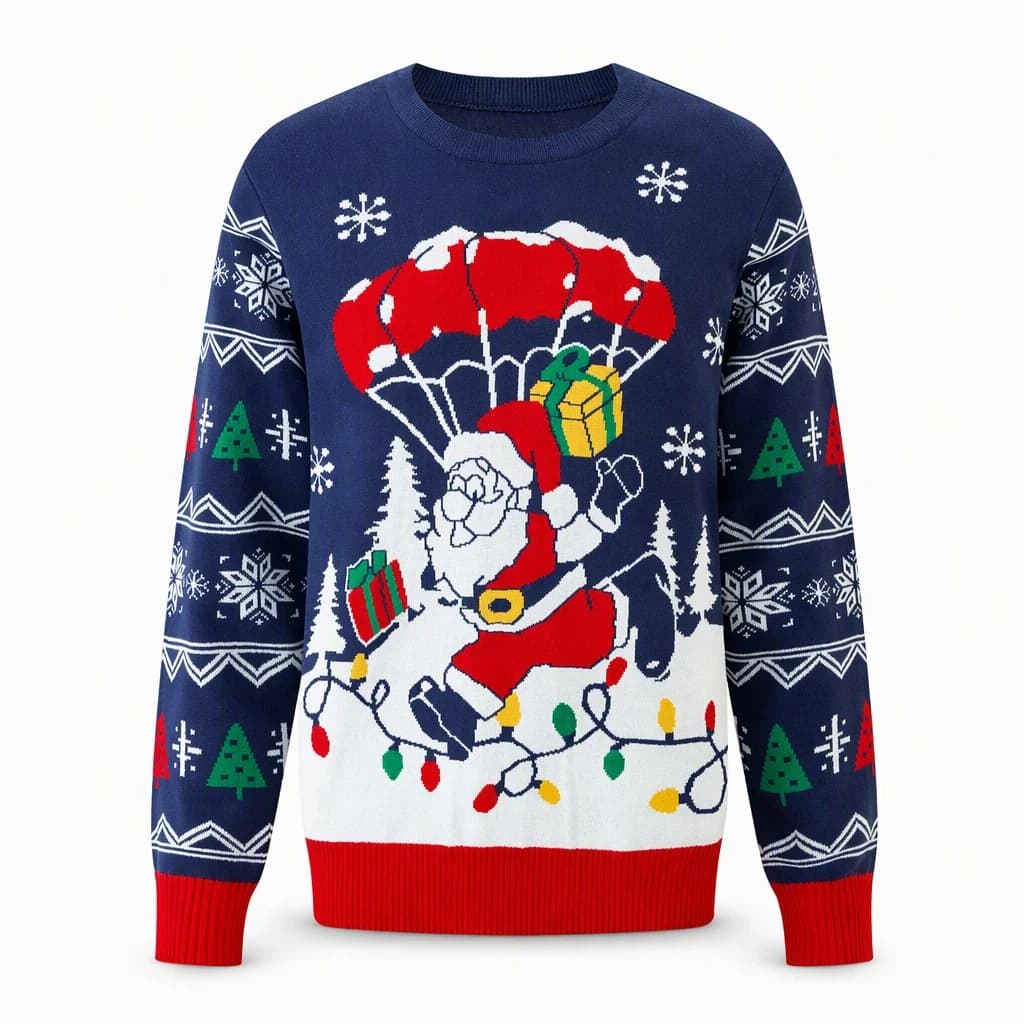
Sourcing Custom Men's Knitwear: What Separates a Knitwear Factory from a Sweater Mill
Mens knitwear briefs rarely fail on the design. They fail on gauge, size grading and reverse-side finishing — three things most price requests never ask about. Here is what to specify before you ask for a quote.
Send us the piece you were told was too hard.
Reference photo, rough sketch, or full tech pack — our Dalang technical punchers evaluate feasibility, machine gauge, yarn options, and pricing within 24 hours.