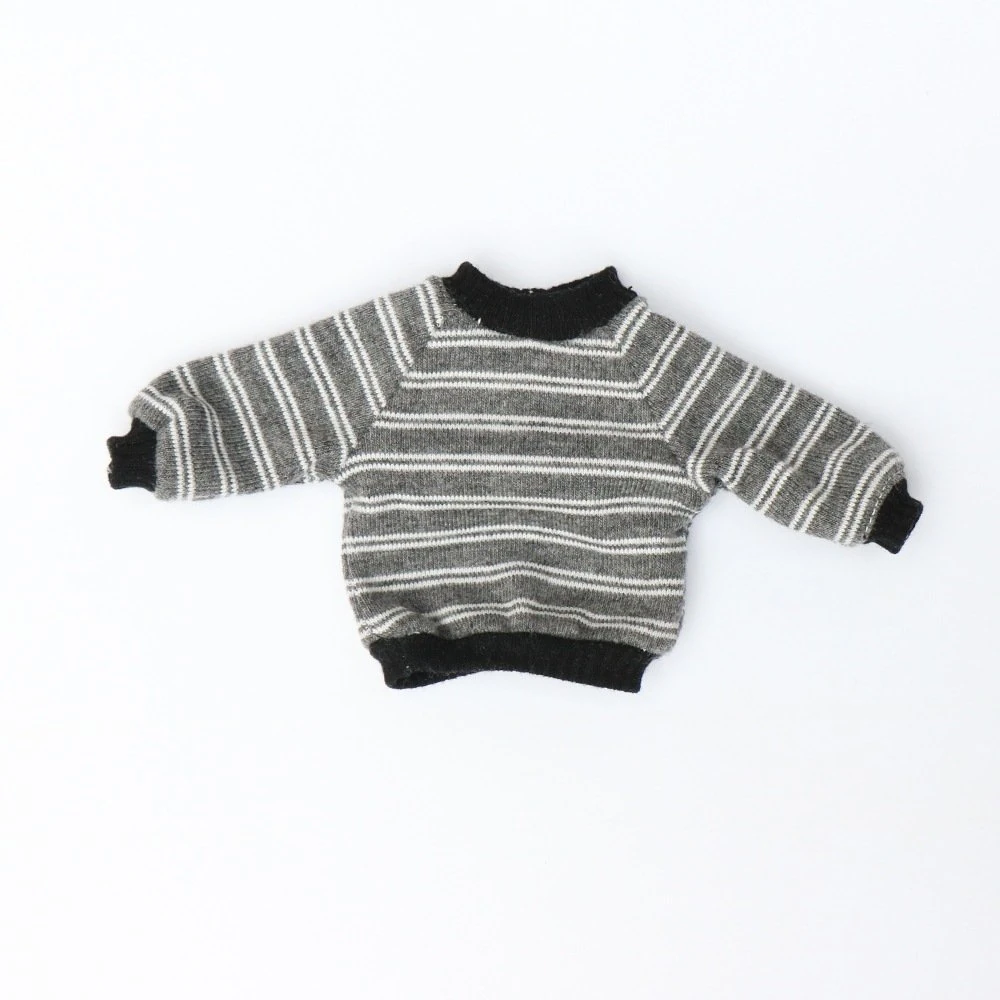
Custom Striped Raglan Doll Sweater
A raglan built for a reason that has nothing to do with style — at doll scale a sleeve cap is ten stitches wide, and a raglan spreads the shaping over four long diagonals instead.
This sweater is a raglan because of arithmetic, not fashion. At doll scale the sleeve cap of a set-in sleeve can be as narrow as ten or twelve stitches across. Shaping a convincing armhole curve inside that window means casting off and decreasing on a three-stitch canvas — one needle out and the cap is visibly lopsided, and because the whole garment is small there is nowhere for the error to hide. A raglan takes the same total decrease and moves it onto four long diagonals running from neck to underarm, decreasing every second row. The shaping is now spread over forty or fifty courses instead of six, so symmetry becomes something the programme can hold rather than something the linker has to rescue by hand. That is the engineering case. The fact that it also reads as a proper raglan jumper is a side effect. Raglan carries a cost, and the cost is the stripe. Four diagonals means four places where every single stripe has to meet. On a solid-colour garment a drifting raglan line is a soft error that most buyers never see; on a striped one it is a hard error, because the eye reads each band as one continuous line and a single course of drift at the underarm breaks it. So every piece is laid flat and counted at the linking stage before it moves on. If you are ordering stripes on a raglan build, that hand-check is inside the price, and it is precisely the step a cheap supplier skips. Stripes are also the cheapest way to put colour into a doll programme, and the arithmetic is worth understanding. A horizontal stripe is a yarn change — the machine stops, swaps the feeder, carries on. It needs no colour-separation drawing, no jacquard programme, no punched file per colourway. A motif at this scale needs all three, and that programming is charged whether the order runs 100 pieces or 1,000. So a two-colour stripe can carry a brand palette at a fraction of the tooling cost of a motif, which is why club colours, school colours, team palettes and corporate identities work so well in this format: two yarns already read as a recognisable identity, and the third colour is usually unnecessary. The same logic makes stripes the right format for a fast test — a new colourway can be sampled in 72 hours because there is no artwork redraw in the way. Two constraints come with stripes and both are non-negotiable. First, band height must be a whole number of courses. A band that ends mid-course leaves a float at the selvedge and a ragged edge where the feeder changes; at 3GG, where a course is roughly three millimetres, half a course is visible on the finished piece. Second, stripe programmes are unforgiving on dye lot. The light grey and the charcoal in the first photograph are two separate yarns, and if they arrive from different dye lots the contrast between adjacent bands shifts gradually across the panel. Nothing shows on a single garment. Line ten of them up on a shelf and the drift is obvious, and by then it is a markdown. Colour build is fixed to one dye lot per yarn and written into the PO. The trims are a functional decision wearing a colour. Collar, cuffs and hem are 2x2 rib knitted at a tighter density than the body, because the only thing holding a knitted garment onto a doll is the elasticity of those three openings — the body carries no weight and no shape of its own. Making them a contrast colour is how a buyer sees at a glance where the stretch is. It also creates a linking job: the rib is knitted as a separate strip in a different yarn and linked on, so the colour change happens at the join rather than somewhere in the middle of a panel. The neckline is where doll knitwear actually fails, and it fails for a reason that never appears on a spec sheet. Blind-box and collectible dolls are built with a head circumference larger than the chest. A raglan neck opening that measures correctly against the chest will not pass the head. Either the neck is cut wide enough to clear the head, which makes the shoulder line sloppy and lets the piece slide, or the garment gets a back opening or a shoulder placket. That choice has to be taken before the block is drawn, not discovered after the first sample comes back. Sizing works best as an object rather than a number: send the doll, or send a garment that already fits it, and the block is recreated from that before colour is discussed. The pearl trim on the pink piece is the clearest illustration of why age grading has to be settled early. As a collector item for an adult BJD market it is a selling point and nothing more. As a toy for a child under three it is a small part, a pull-test failure point, and it converts the entire order into a children's product with the testing regime that follows. Identical garment, two different products. Tell us the end user before sampling and the trim is specified correctly; discover it afterwards and the sample is scrap. Yarn choice matters more here than on a full-size piece, because at this size the surface is the product. A marled yarn — two or three coloured plies twisted together before knitting — reads as hand-dyed at 3GG to 7GG, where every stitch is big enough to show the individual plies. Push the same marl to 12GG and the flecks average out into a flat haze. Soft acrylic gives the chunky hand-knit surface at the lowest cost, a cotton-acrylic blend holds a crisper stripe edge, and wool blends suit heritage doll lines where hand-feel is part of the pitch. Typical buyers are doll and collectible brands running seasonal outfit drops, plush-toy brands outfitting their own characters, gift-with-purchase and advent-calendar programmes that need a low unit cost with a real identity colour, club and school merchandise lines, and retailers adding a knit add-on beside a full-size sweater range. These pieces are a sample programme, not a fixed catalogue — your artwork and palette replace all of it. MOQ 100 pcs per design (colourways of one silhouette count separately, because each is its own programme), sampling 72 hours from yarn stock confirmation, bulk production 2–3 weeks after PPS approval, DDP door-to-door to US, EU, UK, AU and JP. The doll in the fourth photograph is wearing a cap carrying a third-party trademark; it is shown to indicate fit and proportion only. Any name or mark visible on a doll, plush or prop in these photographs belongs to its respective owner, is not sold, licensed or sublicensed by us, and forms no part of the product. What we knit is the sweater, to your artwork and your palette.
Technical Specifications
| MOQ | 100 pcs / design |
| Sampling | 72 hours |
| Production | 2-3 weeks |
| Gauge | 3GG - 7GG |
| Yarn | 100% Soft Acrylic / Cotton-Acrylic Blend / Wool Blend / Marled |
| Size | Built to your doll or plush body - send the toy for an exact block |
| Trim | Contrast 2x2 rib collar, cuffs & hem |
Why Brands Order This Silhouette From Us
- Raglan build chosen for shaping accuracy at doll scale — the same decrease spread over four long diagonals instead of a ten-stitch sleeve cap
- Every stripe hand-counted at the linking stage so all four raglan lines meet course for course
- Horizontal stripes knitted as yarn changes, not jacquard — a brand palette without per-colourway programming cost
- Contrast 2x2 rib at collar, cuffs and hem knitted denser than the body, because those openings are what hold the garment on
- Band heights locked to whole courses and one dye lot per yarn, so stripes stay level across a whole shelf
- Real-time ERP portal tracking: live PPS, bulk knitting, and QC inspection photos
- Custom brand packaging: woven neck labels, care tags, and biodegradable bags
Frequently Asked Questions About Custom Striped Raglan Doll Sweater
Related Knitwear Silhouettes
Same category or produced in matching craft techniques
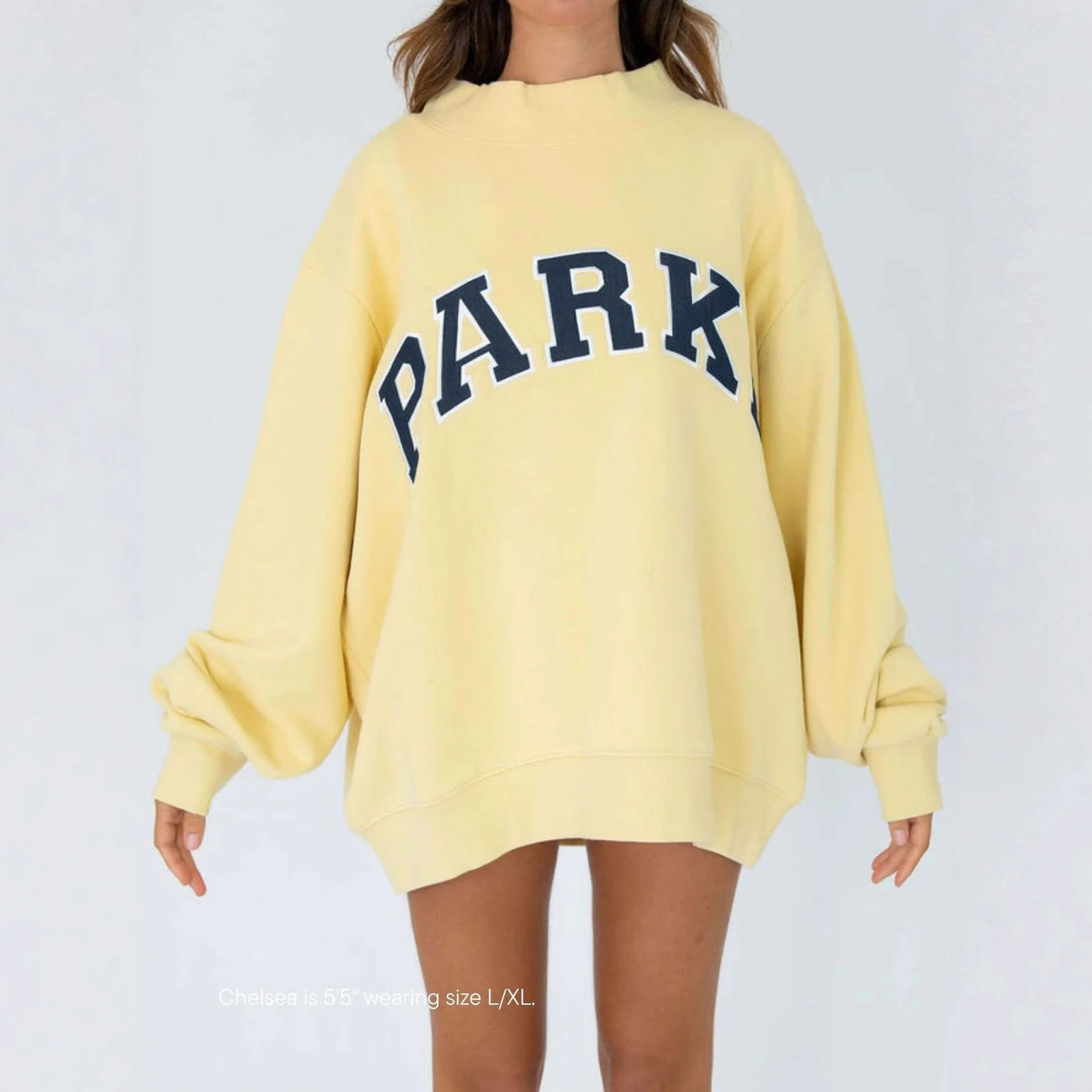
Custom Crew-Neck Jacquard Sweater
The essential knitwear staple — programmed to your exact fit, gauge, and artwork.
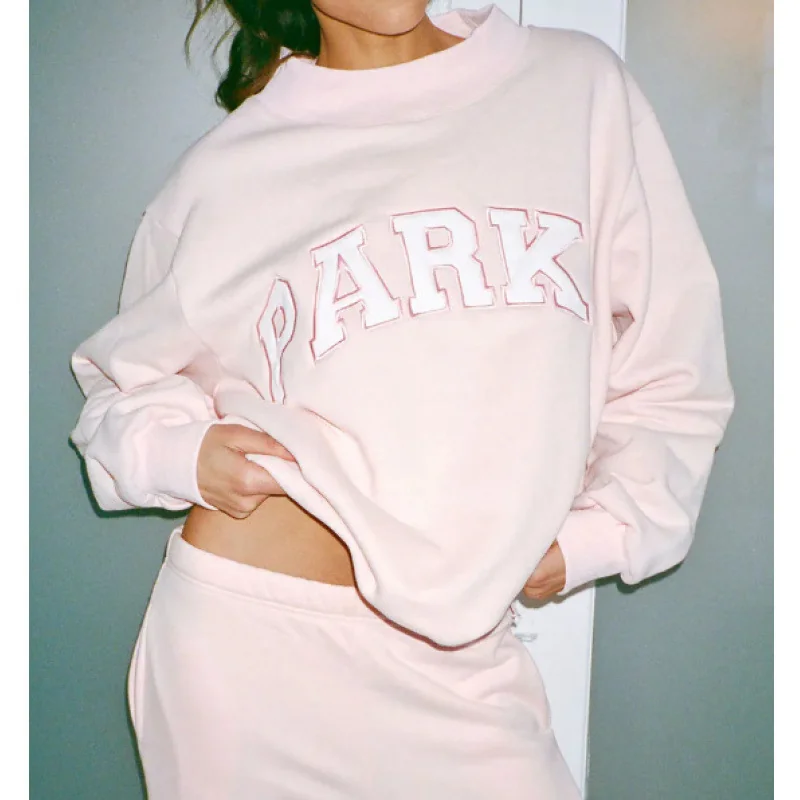
Bitter-Gourd 3D Relief Textured Sweater
Sculpted three-dimensional relief knitwear with incredible tactile depth.
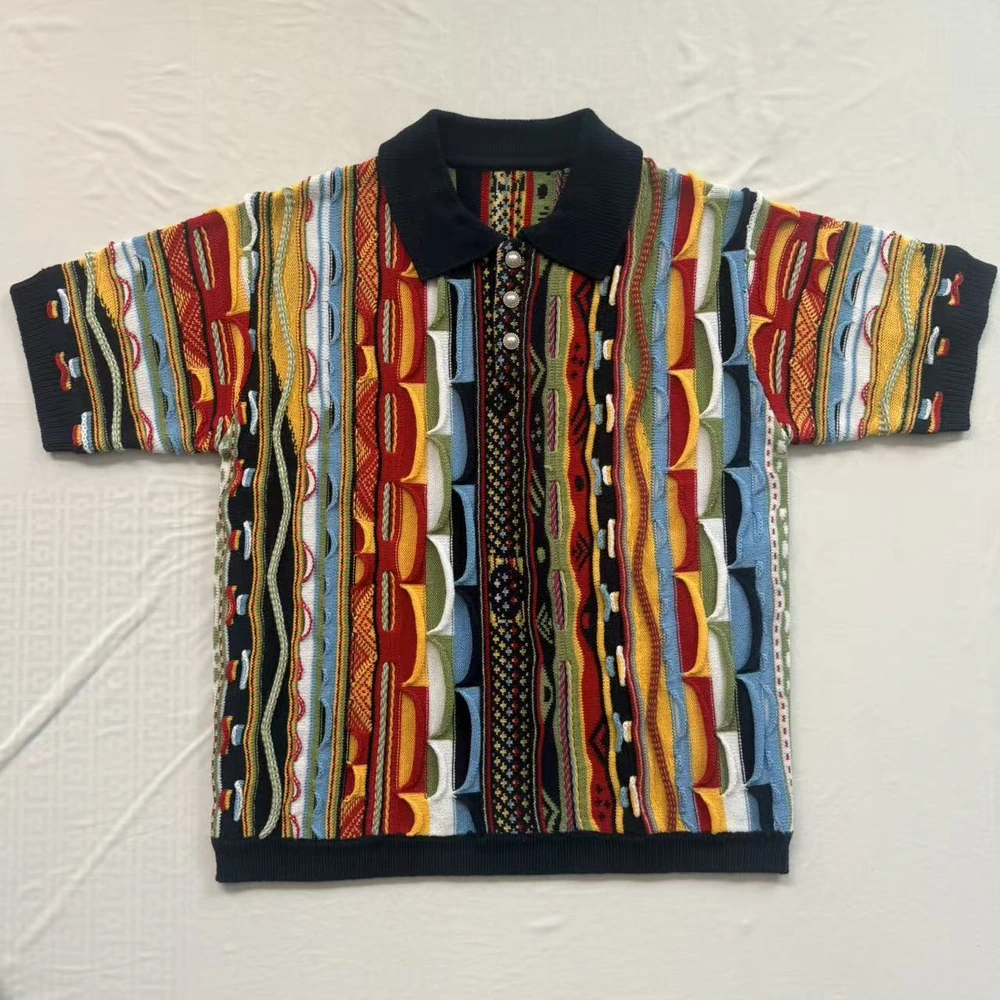
Custom Multi-Colour Jacquard Knit Polo Shirt
A short-sleeve knit polo built on a multi-colour jacquard programme — up to 13 yarn colours, against the 4-6 colour ceiling most mills quote.
Request a Custom Quote for Custom Striped Raglan Doll Sweater
Tell us your target quantity and custom requirements. Direct factory pricing within 24 hours.
Send us the piece you were told was too hard.
Reference photo, rough sketch, or full tech pack — our Dalang technical punchers evaluate feasibility, machine gauge, yarn options, and pricing within 24 hours.